
Alaska still surprises even seasoned travelers — vast fjords, towering glaciers, iconic wildlife and long summer days that stretch forever. This list of Alaska things to see and do gathers the state’s most unforgettable experiences, plus when to go, rough costs, who each activity suits, and practical tips so you can plan a trip that actually fits your time and budget.
1. Wildlife viewing: bears, whales, moose and more
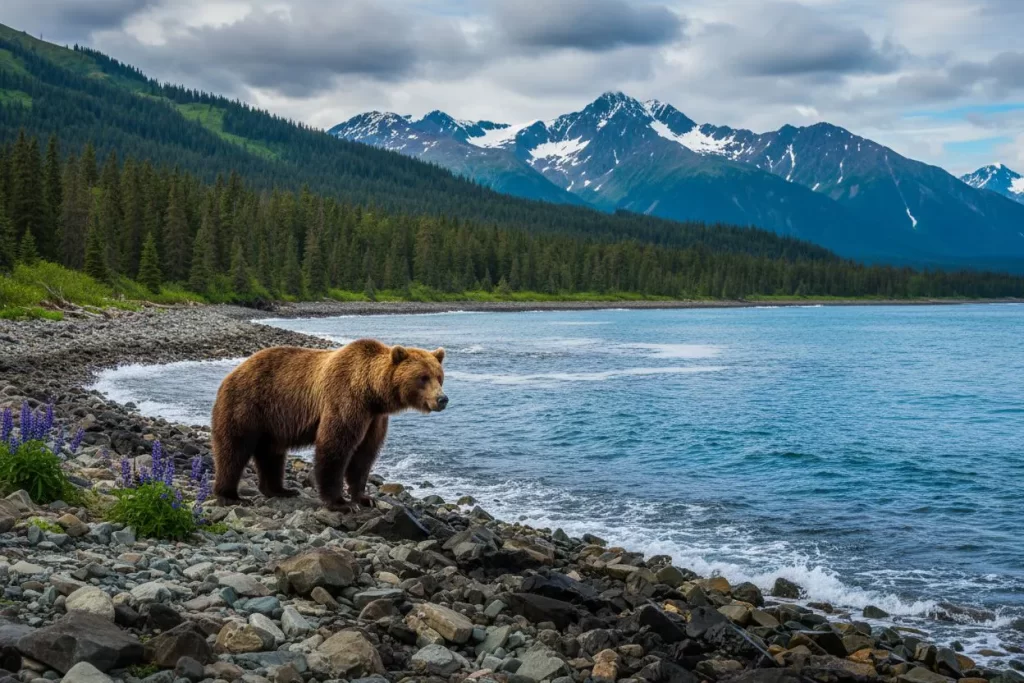
Wildlife is one of the biggest draws to Alaska. From humpback whales breaching in the Inside Passage to brown bears foraging on salmon streams and moose grazing roadside, encounters happen across coastal towns and interior parks.
- What to expect: Guided boat trips, shore-based viewing platforms, and guided hikes. Opt for boat-based bear and whale tours for better viewing and safety.
- Best time: Summer (June–August) for whales and bears; spring or fall for bird migrations.
- Cost: $60–$250 for guided boat tours; national parks/marine refuges often have inexpensive entry fees.
- Who it’s for: All travelers, wildlife photographers, families.
Good to know: Respect distances and follow guide instructions. For guided bear viewing by yacht, consider longer wildlife charters that combine comfortable viewing with expert local guides: Experience bear observation in Alaska on a yacht.
2. Glacier cruises and kayaking in Southeast Alaska & Glacier Bay

Glacier cruises are quintessential Alaska experiences. Choose between large day cruises, small-ship expeditions or kayak trips that put you close to ice and seabird colonies.
- What to expect: Scenic cruising, glacier calving, seals, sea lions, and sometimes whales. Kayaking trips are typically guided and launch from sheltered bays.
- Best time: May–September (peak viewing in July–August).
- Cost: $100–$300+ for day cruises; multi-day small-ship cruises cost significantly more.
- Who it’s for: Nature lovers, photographers, adventurous families.
Pro tip: For a luxe, intimate glacier experience consider yacht sailing options that combine comfort and proximity to ice: Luxury yacht sailing through Alaska’s glaciers.
3. Flightseeing and glacier landings
Flightseeing — small-plane tours over Denali or other glacier fields — gives a perspective you can’t get from the ground. Many flights include a glacier landing for a short hike on ice.
- What to expect: Spectacular aerial views, sometimes a short walk on a glacier. Weather can cause cancellations.
- Best time: Late spring to early fall (May–September).
- Cost: $200–$700 depending on duration and whether a glacier landing is included.
- Who it’s for: First-time visitors, photographers, limited-time travelers.
Safety note: Bring warm layers even in summer; the wind and altitude make photoshoot stops chilly.
4. Denali National Park: wildlife, hikes and the Alaska Range
Denali is Alaska’s interior crown jewel — home to North America’s tallest peak and expansive tundra that supports caribou, Dall sheep, moose and grizzlies.
- What to expect: Bus-accessed park road, ranger-led programs, day hikes, backcountry permits for multi-day trips.
- Best time: June–August for wildlife viewing and accessible roads.
- Cost: Park entrance fees are modest; guided tours vary $50–$300+. Shuttle buses have fees.
- Who it’s for: Hikers, serious nature lovers, families wanting classic Alaskan landscape.
Insider tip: Book shuttle buses and lodge stays early for summer — space fills fast.
5. Northern Lights in Fairbanks and Interior Alaska
Seeing the aurora is a bucket-list moment. Fairbanks and the Interior have stable viewing conditions and lots of aurora lodging and tours.
- What to expect: Green, purple, and red curtains of light that often dance for minutes to hours.
- Best time: Late August–April; peak in winter months when nights are longest.
- Cost: Free if you chase on your own; guided aurora tours $75–$250.
- Who it’s for: Night photographers, couples, night owls.
Packing note: Nights are cold — proper layers and insulated boots are essential.
6. Salmon and halibut fishing — charter a day on the water
Fishing is a major draw — whether you want to haul up halibut off Homer or drift for salmon in the Kenai.
- What to expect: Full- or half-day charters, experienced crew, potential for big catches and tasty dinner plans.
- Best time: Salmon season varies by species (June–September); halibut is good mid-summer.
- Cost: $150–$400+ per person depending on trip length.
- Who it’s for: Anglers, groups, families with older kids.
For combined whale watching and fishing experiences by yacht, see this option that blends both activities: Watching whales and fishing in Alaska’s waters by yacht.
7. Kayaking fjords and coastal paddling
Paddling gives a quiet, close-to-nature view of glaciers, sea stacks and wildlife.
- What to expect: Guided day paddles or multi-day kayak expeditions with camping on shore. Wet conditions possible.
- Best time: June–September for milder seas.
- Cost: $80–$250 for guided day trips; multi-day trips are pricier.
- Who it’s for: Fit travelers, paddling enthusiasts, couples.
Safety note: Use a guide unless you have extensive sea-kayaking experience.
8. Hiking: from short trails to backcountry treks
Alaska’s hiking ranges from easy boardwalks near visitor centers to multi-day backcountry routes.
- What to expect: Varied terrain, potentially muddy trails, bugs in summer.
- Best time: Summer for most trails; shoulder seasons are quieter.
- Cost: Mostly free in public lands; guided hikes cost $50–$200.
- Who it’s for: Hikers of all levels — choose trails that match experience.
Gear tip: Bring waterproof boots and microspikes for icy sections early and late season.
9. Hot springs, cultural sites and small towns
Not every Alaskan highlight is wild. Visit Gold Rush towns, Alaska Native cultural centers, and natural hot springs like Baronof Warm Springs, Tenakee Hot Springs and small fishing towns like Sitka and Petersburg.
- What to expect: Museums, guided cultural programs, seasonal festivals.
- Best time: Year-round for museums; summer for festivals, winter for hot springs and aurora combos.
- Cost: Museum fees are typically modest; hot springs $10–$40.
- Who it’s for: Culture seekers, families, anyone wanting a more relaxed day.
12. Small-ship cruises and guided multi-day expeditions
If you want deeper access to remote coastline and wildlife, small-ship cruises and charter yachts open islands and coves that day boats can’t reach.
- What to expect: Multi-day itineraries, onboard naturalists, some guided landings.
- Best time: May–September.
- Cost: Several hundred to several thousand dollars per person depending on length and inclusions.
- Who it’s for: Travelers with more time and a higher budget, or those seeking quiet wilderness.
Sample itineraries from local yacht operators often cover Sitka, Juneau and the Inside Passage; see sample multi-night routes for ideas: Sample itinerary of 2–4 night charters Sitka to Sitka.
13. Fat biking, snowmobiling and ice adventures
For winter adrenaline, try snowmobiling across frozen rivers or fat biking summer trails. Guided operators provide gear and instruction.
- What to expect: Fast, cold, exhilarating experiences with safety briefings.
- Best time: Winter for snowmobiling; summer or shoulder seasons for fat biking.
- Cost: $100–$400 for guided outings.
- Who it’s for: Adventurous or experienced riders.
14. Food, markets and local flavors
Alaska’s seafood is a highlight — fresh salmon, king crab, halibut — plus local breweries and farmer’s markets showcase regional flavors.
- What to expect: Seafood-focused menus, food trucks in summer, local craft beer scenes.
- Best time: Summer for markets and festivals; year-round for restaurants in larger towns.
- Cost: Restaurant meals range $15–$60 per person.
- Who it’s for: Food lovers, casual travelers, anyone sampling local cuisine.
15. Gold rush history and unique museums
Visit Juneau’s gold camp remnants, Nome’s gold rush relics, and small museums that tell Alaska’s pioneer and indigenous stories.
- What to expect: Guided tours, historic sites, living-history demonstrations.
- Best time: Summer for interpretive programs.
- Cost: Small admission fees; some self-guided areas are free.
- Who it’s for: History buffs, families, learners.
Best time to visit: month-by-month quick guide
- May: Spring migration begins; fewer crowds, variable weather.
- June–August: Prime season — long daylight, most services running, best wildlife and glacier access.
- September: Shoulder season — crisp air, fall colors, cheaper rates, some wildlife like salmon runs.
- October–April: Winter activities — aurora, dog sledding, snow sports; limited coastal services.
Seasonal tip: If you want both whales and bears, aim for July or August. For aurora, target late autumn through early spring.
Budget breakdown & money-saving tips
- Transit and flights to Alaska are often the biggest cost. Book early for deals.
- Day tours range from $50–$300; specialized tours (flightseeing, glacier landings) are pricier.
- Save by: visiting in shoulder months (May or September), choosing day tours over multi-day cruises, cooking some meals where lodging allows, and booking bundled packages.
Typical budgets (per person, mid-range 7–10 day trip):
- Budget traveler: $1,500–$2,500 (camping/hostels, self-cooked meals, some shared tours)
- Mid-range: $3,000–$5,000 (moderate hotels, several guided tours, some chartered activities)
- Luxury: $6,000+ (private charters, small-ship cruises, fine dining)
Practical logistics: getting around, booking and itineraries
- Main travel hubs: Sitka, Petersburg, Juneau, Ketchikan
- Getting between towns: drive, fly, Ferries and small-ship routes serve the Inside Passage.
- Booking timeline: Summer tours and accommodations book 3–6 months ahead; charter yachts and multi-day lodges may require 6–12 months.
Sample short itinerary ideas:
- 5 days: Sitka base, Juneau base, Inside packages available
- 10+ days: Inside Passage small-ship or yacht charter (Sitka, Juneau, Glacier Bay) combined with inland Denali.
For longer yacht-based inside-passage options and price schedules, see: Trips Inside Passage and sample 6–7 night routes like 6 night itinerary Sitka to Sitka.
Safety, wildlife etiquette and basic packing checklist
Safety tips:
- Always keep a safe distance from wildlife; never approach bears or marine mammals.
- Tell someone your plans for backcountry trips; carry bear spray and know how to use it.
- Weather changes quickly — layer and be prepared for rain and wind.
Packing essentials:
- Waterproof shell and insulated mid-layer
- Sturdy waterproof boots
- Binoculars and camera
- Daypack, reusable water bottle, sunscreen, insect repellent (summer)
- For winter: insulated parka, warm hat, gloves, and crampons for icy trails
Final thoughts: making Alaska yours
This list of alaska things to see and do blends the classic highlights with lesser-known options so you can design a trip that fits your energy, time and budget. Whether you’re chasing glaciers from a yacht, watching bears on a shoreline, listening to the aurora, or sampling fresh halibut, the best Alaska experiences are the ones planned with a bit of flexibility and curiosity.
If you want help turning these ideas into a real route, start by picking your anchor town (Anchorage for road trips, Juneau or Sitka for Inside Passage cruising) and build 2–3 major highlights around it. For tailored yacht or multi-day shoreline options that combine wildlife viewing, fishing and glacier access, check Luxury Yacht Charters and sample trip pages for inspiration.
Safe travels — and leave room for the unexpected; Alaska’s best moments often arrive unplanned.