
Alaska is the kind of place that rearranges your sense of scale: towering glaciers, cathedral-like spruce forests, and tiny towns whose main street ends at the sea. Choosing which ports of call in Alaska to visit can make or break your trip — some towns shine for wildlife, others for history or hiking, and each comes with its own logistics, crowds, and seasonal quirks. This guide walks you through 12 top ports of call, practical tips for shore time, and clear advice for building the ideal 7- or 10-day itinerary.
Top ports of call in Alaska: 12 detailed stopovers
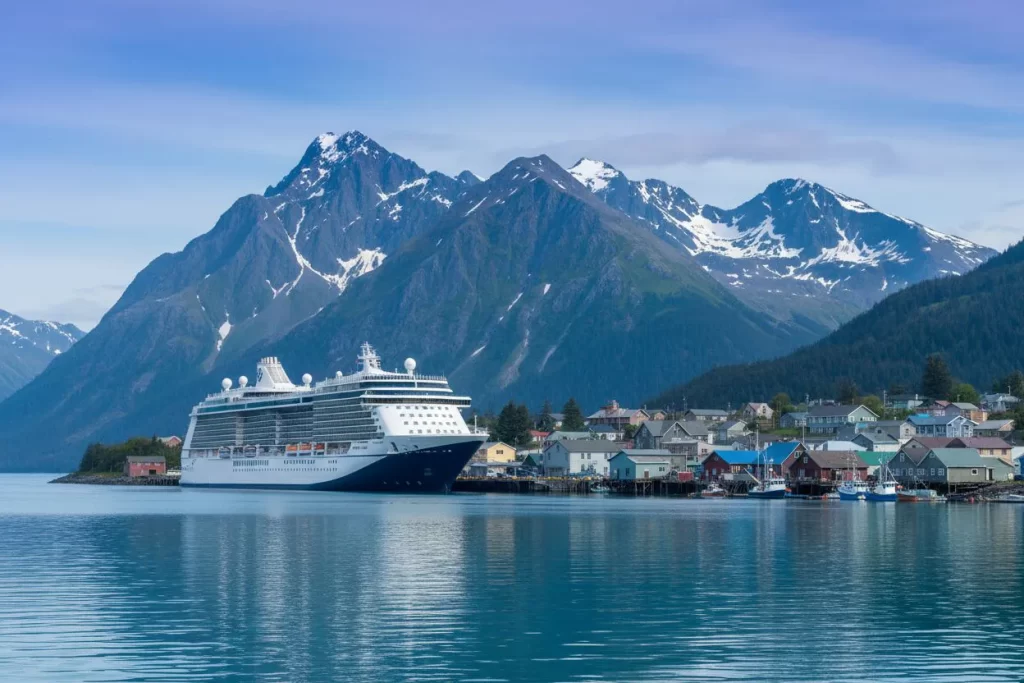
Below are the 12 ports most often featured on Alaska cruise itineraries, with what to do, how long to plan, accessibility notes, crowd expectations, and budget pointers. Use this as your quick-reference list while planning.
1) Juneau — The capital with glaciers and whales
Brief: Alaska’s capital combines easy-access glacier viewing with strong Alaska Native culture and reliable whale-watching.
- Key attractions: Mendenhall Glacier, whale-watching tours, Mount Roberts Tramway, Alaska State Museum
- Best activities: Zodiac glacier close-ups, guided bear/forest walks, cultural tours
- Time to allocate: 6–8 hours for a typical shore day; fuller day if planning independent hikes
- Walking distance from dock: Downtown is a short shuttle ride or ~10–15 minute walk depending on berth
- Crowd level: High on peak summer days (many cruise ships visit)
- Accessibility: Tramway and many whale-watching boats have accessible options; check operator details
- Average excursion cost: $70–180 for guided excursions; independent walking/city museums are low-cost
- Best for: First-time Alaska visitors, glacier photography, wildlife viewing
- First-timer tip: Book whale-watching early in the season to avoid sellouts; bring layered rain gear
2) Ketchikan — Totems, fishing, and Creek Street charm
Brief: A classic cruise stop with vivid Native totem poles, fishing culture, and the tourist-friendly Creek Street.
- Key attractions: Totem Bight State Historical Park, Creek Street boardwalk, salmon fishing trips
- Best activities: Cultural center visits, bear-viewing boat tours, short hikes
- Time to allocate: 4–6 hours for main sights, longer for fishing or multi-hour wildlife tours
- Walking distance from dock: Often a short stroll into town from downtown docks
- Crowd level: High; Ketchikan handles lots of single-day visitors
- Accessibility: Main attraction areas are fairly accessible; some trails are rugged
- Average excursion cost: $60–200 depending on fishing or wildlife tour
- Best for: Culture, shopping for native art, quick wildlife outings
- Photo tip: Early morning light along Creek Street makes for atmospheric photos of colorful storefronts
3) Skagway — Gold rush history and scenic railways
Brief: Stepping back into 1898, Skagway’s preserved buildings and the White Pass & Yukon Route Railway are standout draws.
- Key attractions: White Pass Railway, Klondike Gold Rush National Historical Park, historic downtown
- Best activities: Scenic train rides, gold-panning demos, hiking nearby trails
- Time to allocate: 4–7 hours (train excursion takes a good part of the day)
- Walking distance from dock: Very walkable; downtown is adjacent to the dock area
- Crowd level: High on days with multiple ships due to the popular railway
- Accessibility: Train cars and many downtown areas have accessible options; confirm with operator
- Average excursion cost: $80–200 for train plus museum visits
- Best for: History lovers, photographers of historic streets and mountain passes
4) Sitka — Russian heritage and wild seascapes
Brief: Sitka’s mix of Russian Orthodox history, Tlingit culture, and nearby wildlife-rich islands makes it one of the most unique ports.
- Key attractions: St. Michael’s Cathedral, Sitka National Historical Park, sea otter and sea bird viewing
- Best activities: Kayaking in protected waters, fishing charters, cultural center visits
- Time to allocate: 5–8 hours for key sites and a short boat trip
- Walking distance from dock: Short walk into downtown in most berths
- Crowd level: Moderate; fewer big-ship crowds than Juneau or Ketchikan
- Accessibility: Downtown is compact; many operators provide accessible options
- Average excursion cost: $75–220 depending on boat trips or guided wildlife tours
- Best for: Culture, moderate adventure activities, quieter wildlife viewing
5) Seward — Gateway to Kenai Fjords National Park
Brief: Seward is a common embarkation port and your best bet for full-day glacier and wildlife boat tours in Kenai Fjords.
- Key attractions: Exit Glacier, Kenai Fjords boat tours, Alaska SeaLife Center
- Best activities: Full-day glacier-and-wildlife cruises, short hikes to Exit Glacier
- Time to allocate: Full day (Kenai Fjords tours are typically 6–8 hours)
- Walking distance from dock: Seward’s harbor is very near downtown; short walk
- Crowd level: Moderate–high depending on time of day and ships in port
- Accessibility: SeaLife Center and many boat operators offer accessible services
- Average excursion cost: $160–260 for Kenai Fjords cruises
- Best for: Glacier up-close experiences and marine wildlife viewing
6) Whittier — Prince William Sound access and embarkation
Brief: Whittier is an efficient embark/disembark point with dramatic passages into Prince William Sound and excellent day cruises.
- Key attractions: Prince William Sound cruises, tidewater glacier viewing, kayaking
- Best activities: Day cruises to tidewater glaciers, wildlife tours for seals and sea otters
- Time to allocate: Full day for sound cruises; shorter for local hikes
- Walking distance from dock: Small, navigable town; shuttles often handle transfers
- Crowd level: Variable; can be busy on embarkation/disembarkation days
- Accessibility: Many tours and shore operations have accessible options
- Average excursion cost: $100–220
- Best for: Tidewater glaciers and dramatic fjord scenery
7) Haines — Bald eagles and quieter alpine access
Brief: Haines feels like Alaska off the beaten path — excellent for hiking, eagle viewing, and fewer cruise crowds.
- Key attractions: American Bald Eagle Foundation, Chilkoot Trail access, local galleries
- Best activities: Wilderness hiking, cultural exhibits, wildlife viewing by boat or shore
- Time to allocate: 4–8 hours depending on activity choice
- Walking distance from dock: Very walkable; town center is short distance from berth
- Crowd level: Low–moderate — fewer ships stop here
- Accessibility: Town is compact but many trails are rugged; check operator accessibility
- Average excursion cost: $50–150
- Best for: Birding (eagles), hikers seeking quieter trails
8) Icy Strait Point (near Hoonah) — Dedicated wildlife and bear-viewing
Brief: Built around sustainable tourism, Icy Strait Point offers world-class bear viewing, zipline adventures, and authentic cultural experiences.
- Key attractions: Bear-viewing and whale-watching tours, Hoonah cultural experiences
- Best activities: Guided bear-viewing boat trips, wildlife photography, zipline
- Time to allocate: 4–7 hours for guided tours and local walks
- Walking distance from dock: Short walk; the visitor area is very near docks
- Crowd level: Moderate; designed to handle cruise day visitors efficiently
- Accessibility: Many operators accommodate mobility concerns; check specifics
- Average excursion cost: $100–300 for guided bear/whale experiences
- Best for: Photography, bear observation, immersive wildlife experiences
9) Petersburg — Quiet fishing town with Scandinavian roots
Brief: Petersburg is a working fishing town with a strong Norwegian heritage and fewer tourists than large ports.
- Key attractions: Fishing fleet views, local seafood eateries, small museums
- Best activities: Fishing charters, shore walks, artisan shopping
- Time to allocate: 3–6 hours
- Walking distance from dock: Very walkable from dock to town
- Crowd level: Low — great for travelers who prefer smaller towns
- Accessibility: Town areas are accessible; outdoor excursions vary
- Average excursion cost: $60–180
- Best for: Seafood lovers and travelers wanting a quiet port day
10) Wrangell — Tlingit culture and outdoor escapes
Brief: Wrangell is known for its Tlingit heritage, eelgrass flats, and easy access to low-key outdoor excursions.
- Key attractions: Petroglyphs at Petroglyph Beach State Historic Site, Totem Park
- Best activities: Guided hikes, cultural tours, fishing
- Time to allocate: 3–6 hours
- Walking distance from dock: Short walk to town attractions
- Crowd level: Low — one of the quieter cruise stops
- Accessibility: Central sites are accessible; trail conditions vary
- Average excursion cost: $50–140
- Best for: Culture and gentle outdoor activities
11) Valdez — Oil history and alpine fjords
Brief: Valdez sits at the head of a fjord and offers dramatic mountain scenery, glacier viewing, and a distinct maritime history.
- Key attractions: Columbia Glacier boat trips, Alaska Oil & Veterans Museum
- Best activities: Glacier cruises, sportfishing, scenic drives
- Time to allocate: 6–8 hours for glacier trips
- Walking distance from dock: Short walk to downtown; excursions depart by boat or bus
- Crowd level: Moderate
- Accessibility: Many operators offer accessible services; check in advance
- Average excursion cost: $120–250
- Best for: Dramatic glacier scenery and photography
12) Kodiak — Rugged wildlife and fishing culture
Brief: Kodiak is larger and wilder — prime territory for brown bears, fishing, and remote wilderness access.
- Key attractions: Kodiak National Wildlife Refuge, local fisheries, cultural centers
- Best activities: Fishing charters, bear-viewing tours, hiking
- Time to allocate: Full day for wildlife-focused trips
- Walking distance from dock: Short walk to town; many excursions depart by boat
- Crowd level: Low
- Accessibility: Excursions into rugged areas vary; check operator details
- Average excursion cost: $150–350 for day trips
- Best for: Serious anglers and wildlife-focused travelers
Lesser-known ports worth considering

If you want quieter days and a more local feel, prioritize these smaller stops: Haines (already listed), Icy Strait Point, Petersburg, Wrangell, and Kodiak. These ports often have fewer cruise visitors, more authentic local interactions, and sometimes lower excursion costs.
- Hidden-gem tip: Smaller ports are often the best places to find locally made art and fresh seafood at family-owned eateries.
- Independent exploration: You can often walk to most highlights, but plan transportation if you have mobility needs or want to reach remote trails.
How to choose the right ports of call in Alaska for your trip

Match ports to what matters most to you:
- Best for wildlife: Icy Strait Point, Kodiak, Seward (Kenai Fjords), Sitka
- Best for glaciers: Seward (Kenai Fjords), Whittier (Prince William Sound), Valdez
- Best for culture and history: Sitka, Skagway, Ketchikan, Wrangell
- Best for hiking: Haines, Sitka, Juneau
- Best for families: Seward (SeaLife Center), Juneau, Ketchikan
- Best for photographers: Glacier-viewing ports and Icy Strait Point for bears and marine life
- Best for budget travelers: Smaller ports like Petersburg and Wrangell often have lower-priced, short excursions or self-guided options
A solid rule: pick at least one port for wildlife, one for glaciers, and one for cultural history. Combine quieter ports with a couple of the big-name stops to balance crowds and experiences.
Practical port logistics: what you need to know
- Docking and walking: Most Alaskan ports place large cruise ships at or near town, but at peak times tenders may be used (notably in Glacier Bay scenic-only days or smaller harbors). Tendering adds time — factor an extra 30–60 minutes for boarding.
- Shuttle availability: Many ports provide free or low-cost shuttles between the dock and town center on busy days. Check your ship’s daily plan for shuttle locations and schedules.
- Time allocation: For major shore excursions (wildlife cruises, glacier trips, or railways), plan a full day. For museums, markets, and short hikes, 3–5 hours is usually sufficient.
- Accessibility: If mobility is a concern, contact excursion operators and cruise lines in advance. Many sites (museums, tramways, SeaLife Center) have accessible paths, but natural trails do not.
- Crowds: Juneau, Ketchikan, and Skagway handle the most passengers and sell out fast for popular excursions. Book high-demand tours in advance when possible.
- Budgeting: Guided excursions often cost $70–300; independent exploration (museums, self-guided walks) can be done for under $50. Factor in food, souvenirs, and transport.
Practical resources: If you’re researching Inside Passage routes and port pairings, see this guide to Trips Inside Passage.
Seasonality — what changes month to month
- May–June: Peak glacier calving, long daylight, cooler temperatures; great for active wildlife (whales arriving) and wildflowers
- July–August: Warmest weather, most cruise traffic, best for berry season and hiking; expect higher prices and more crowds
- September: Cooler, fewer ships, potential for northern lights farther north and plentiful salmon runs for bears
Seasonality affects wildlife behavior, excursion availability, and crowd levels — plan accordingly and consider shoulder months if you prefer fewer people.
Packing and photography tips for port days
- Clothing: Layering is essential — base layer, fleece, waterproof shell, hat, and gloves. Waterproof footwear with grip is helpful for wet docks and rocky shorelines.
- Camera gear: Bring a telephoto (200–400mm) for wildlife, a wide-angle for glaciers and mountains, and a sturdy camera strap. A lightweight tripod or monopod helps for low-light shots.
- Small daypack essentials: Binoculars, snacks, refillable water bottle, sunscreen, and a small first-aid kit.
Photography tip: For glacier photos, underexpose slightly to preserve detail in bright ice; for wildlife, pre-focus and use continuous shooting.
Sample port combos and itineraries
- Classic 7-day Inside Passage: Vancouver → Ketchikan → Juneau → Skagway → Glacier Bay scenic → Sitka → Disembark. For a sample centered around Sitka and Juneau, consider this 7 Night Sitka To Juneau itinerary.
- Adventure-focused 10-day: Seattle → Icy Strait Point → Glacier Bay → Seward (Kenai Fjords) → Valdez → Whittier — best for combining bear, glacier, and remote wildlife viewing.
When choosing a route, decide whether you prefer scenic cruising days (glacier- and fjord-centered) or more frequent port stops for hiking and cultural visits.
Independent vs. guided excursions: which to pick per port
- Choose guided when: You want expert wildlife viewing, guaranteed access to bear-viewing areas, or need transportation to remote glaciers. Guided tours also handle permits/permit fees.
- Choose independent when: You prefer lower cost, want to explore town, or your activity is self-paced (museums, short hikes, markets).
For specialized experiences like bear observation, expert-guided trips significantly increase your odds of safe, intimate wildlife encounters — see this resource about Experience Bear Observation In Alaska On A Yacht for inspiration.
First-timer mistakes to avoid
- Overbooking excursions: You can’t do everything in a single port day. Prioritize two top activities instead of squeezing in four.
- Ignoring tender logistics: If your port uses tenders, leave extra time to board and disembark.
- Not checking accessibility options: If mobility is limited, confirm accessible transport and shore stops before you sail.
- Arriving unprepared for weather: Even summer days can be wet and windy — bring waterproof outer layers.
FAQ
Q: Can I walk into town from the ship in every Alaska port?
A: Most ports are walkable, but larger ships sometimes anchor and use tenders; check your ship’s daily schedule and port notes.
Q: Which port has the best chance for whale watching?
A: Juneau, Icy Strait Point, and Sitka are consistently strong options for whales, especially humpbacks.
Q: Are excursions expensive?
A: Guided full-day excursions (glacier or multi-hour wildlife trips) typically range from $150–300. Shorter, local tours cost less.
Q: When is the best time to avoid crowds?
A: Mid-September typically has fewer cruise ships and lower prices, though weather is cooler and some tours may operate less frequently.
Final advice: build your perfect Alaska port hit list
Start by listing the experiences you can’t miss — glacier up-close, bear observation, or gold rush history — then pick ports that reliably deliver those experiences. Mix high-traffic ports (Juneau, Ketchikan, Skagway) with quieter stops (Petersburg, Wrangell, Haines) to balance crowds and authenticity. If you want a route-focused look at cruise options through the Inside Passage, our guide to Trips Inside Passage is a helpful next read.
With this plan-in-hand, you can confidently choose the ports of call in Alaska that match your interests, budget, and activity level — and leave room for the one thing Alaska does best: surprising you with moments of raw, oversized beauty.
Article created using Lovarank